Community
2026 midterm elections: Voter information in Illinois, Indiana, Wisconsin
By Mark Thompson
Advertisement · Why this ad?
Keisha Patel, a former athlete and graduate of the University of Chicago, has spent the last seven years covering local high school and college sports. Her passion for sports shines through her articles, encouraging community support for local teams.
More from Keisha →
In the quiet hum of a Chicago morning, a community grapples with a unique challenge that transcends local borders. A recent court filing has stirred discussions not just in Alaska, but also in the heart of Illinois, where residents are reflecting on the importance of clarity and integrity in our electoral processes. The Department of Justice (DOJ) is taking steps to isolate certain ballots in Alaska, focusing on a situation that could confuse voters due to two candidates sharing the same name. This investigation, while rooted in Alaska, resonates deeply with communities everywhere that value fair and transparent elections.
On a Friday that many might have overlooked, the DOJ filed a motion to isolate ballots in Alaska as part of an investigation into potential voter confusion. This comes in light of concerns regarding Democratic Senate candidate Mary Peltola, whose campaign has been scrutinized due to the existence of another candidate with the same name. The implications of this situation raise important questions about voter clarity and the integrity of the electoral process.
The filing underscores the DOJ's commitment to ensuring that every voter can make informed choices without the shadow of confusion hanging over their heads. With the upcoming elections, this probe is not just about one state; it touches on the fundamental principles of democracy that every citizen holds dear. The DOJ’s actions aim to prevent any potential mix-up that could lead to disenfranchisement or misrepresentation during the voting process.
This investigation is particularly significant given the increasing complexity of electoral systems across the nation. As candidates emerge from diverse backgrounds and names, the risk of confusion becomes a pressing issue. The DOJ’s proactive approach to isolate these ballots reflects a broader commitment to uphold the integrity of elections, a value that resonates with communities striving for clarity and fairness in democratic practices.
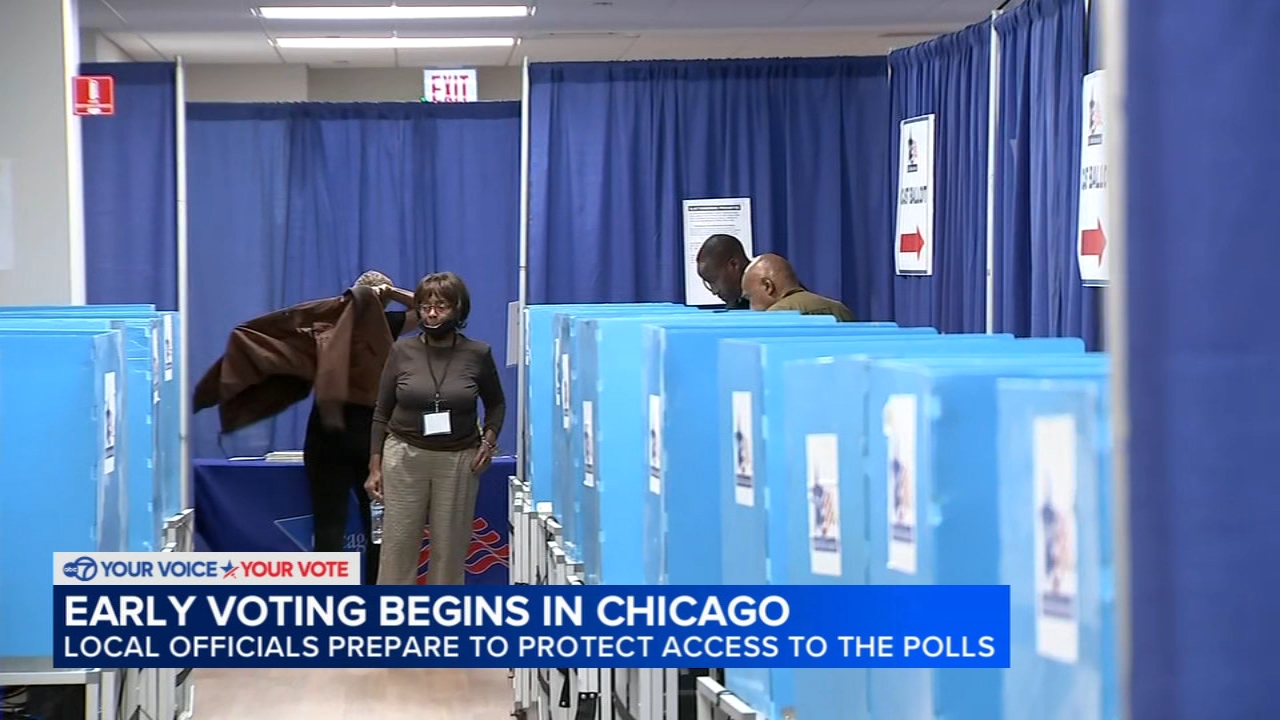
In Chicago, the news of the DOJ's intervention has sparked conversations among local residents and community leaders. Many are expressing their support for measures that protect voters from potential confusion. “It’s crucial that we maintain the integrity of our elections,” said local activist Sarah Johnson, who has been involved in voter education initiatives for years. “Every voter deserves to know exactly who they are voting for, and steps like this are necessary to ensure that clarity.”
The sentiment is echoed by families who understand the importance of strong civic engagement. In households across the city, parents are discussing the implications of electoral clarity with their children, instilling values of informed voting and the importance of being aware of candidates. This kind of dialogue is essential in nurturing a generation that values democracy and understands its intricacies.
Moreover, community organizations are stepping up to provide resources and information to voters as the investigation continues. Groups such as the Chicago Votes initiative are dedicated to ensuring that every citizen is equipped with the knowledge they need to navigate the electoral landscape. Their efforts are a testament to the community's commitment to fostering a well-informed electorate that can participate confidently in the democratic process.
The DOJ's actions in Alaska have broader implications for voter confidence across the nation. As communities witness the federal government taking steps to protect electoral integrity, it fosters a sense of trust in the system. Voter confidence is vital for a healthy democracy, and initiatives like these can reinforce the belief that every vote matters and that the electoral process is fair.
In Chicago, where diversity in candidates is celebrated, the potential for confusion among voters is a topic of concern. Families are coming together to discuss how they can ensure their voices are heard without ambiguity. The DOJ's involvement serves as a reminder that vigilance is necessary to protect the rights of all voters, and it encourages citizens to remain engaged and informed.
As the investigation unfolds, the community’s response illustrates a commitment to upholding democratic values. Local leaders are calling for transparency and continued dialogue around the electoral process, emphasizing the need for clarity in communication to avoid confusion. The impact of these discussions extends beyond Alaska, reinforcing the idea that every community has a stake in the integrity of elections.
Community organizations play a pivotal role in educating voters about the electoral process and the importance of clarity in candidate identification. In Chicago, organizations like the League of Women Voters and Chicago Votes are stepping up to provide resources, workshops, and information sessions to ensure that voters are well-informed. They are working tirelessly to demystify the voting process and empower citizens to make educated decisions.
These organizations understand that the heart of democracy lies in informed participation. By providing tools and resources, they help to cultivate a community that values transparency and integrity in elections. This proactive approach not only benefits individuals but also strengthens the fabric of the community as a whole.
Moreover, the collaboration between local organizations and the DOJ’s investigation highlights the importance of a united front in safeguarding democracy. As communities rally around the principles of clarity and integrity, they send a powerful message about the importance of protecting the electoral process for future generations.
As the DOJ's investigation continues, the implications for Alaska and beyond are profound. The focus on isolating ballots to prevent confusion is a critical step in ensuring that voters can navigate the electoral landscape with confidence. For communities like Chicago, it serves as a reminder of the importance of vigilance and engagement in the democratic process.
Looking forward, it will be essential for community leaders and organizations to continue advocating for transparency and clarity in elections. The conversations sparked by this investigation are vital in keeping the momentum going. As residents engage in discussions about the electoral process, they are not only advocating for their rights but also modeling civic responsibility for the next generation.
In the end, the DOJ’s actions remind us that democracy requires active participation and a commitment to clarity. As communities come together to support one another in understanding the electoral process, they reinforce the values of strong families and committed citizenship. The American dream thrives when individuals and families are empowered to make informed choices, fostering a society built on trust, integrity, and shared values.
By Mark Thompson

By Mark Thompson

By Mark Thompson

By Mark Thompson