Community
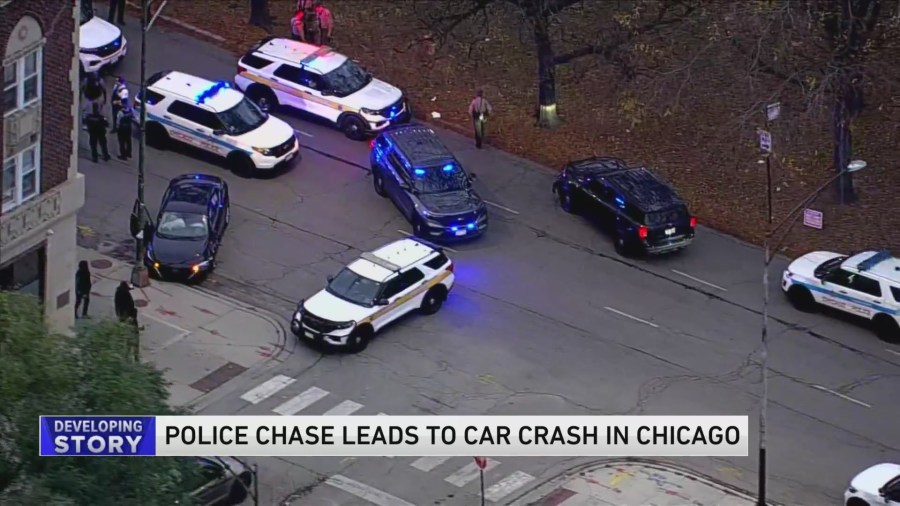
Man arrested in Chicago following police chase after he allegedly assaulted woman in Palatine and forced her into car
By Mark Thompson
Advertisement · Why this ad?
Keisha Patel, a former athlete and graduate of the University of Chicago, has spent the last seven years covering local high school and college sports. Her passion for sports shines through her articles, encouraging community support for local teams.
More from Keisha →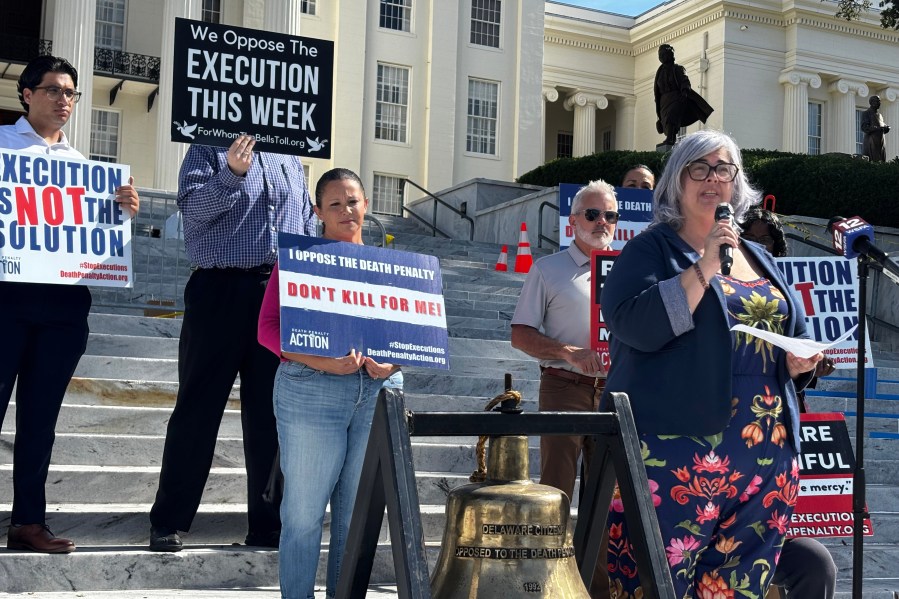
In a somber moment that echoed throughout the nation, Indiana witnessed a historic execution on a day that would see three executions across the United States. As the clock struck midnight, Jeffrey Weisheit, a man convicted of a heinous crime that took the lives of two innocent children, was executed. The chilling reality of this event has left the communities grappling with the implications of justice, morality, and the sanctity of life.
On the fateful night of June 30, 2010, Jeffrey Weisheit committed an unspeakable act in Evansville, Indiana. He set fire to his girlfriend's house, resulting in the tragic deaths of her two young children, aged just 8 and 5. The fire, fueled by malice and desperation, not only took the lives of these innocent souls but also shattered the lives of their family and the entire community.
Weisheit's execution marks a significant moment in the ongoing national conversation about capital punishment. As the first of three executions scheduled for the same day, it raises questions about the justice system and its approach to the most serious crimes. The execution was carried out using a lethal injection, a method that has been under scrutiny for its ethical implications and effectiveness.
As Indiana moves forward with its decision to carry out this execution, it serves as a reminder of the complexities surrounding justice and the impact of crime on families and communities. The case of Jeffrey Weisheit is a painful chapter in the narrative of crime and punishment, one that resonates deeply with those who have experienced loss and trauma.
The community of Evansville has been left to grapple with the aftermath of this execution. For many, the emotions are mixed — a blend of relief, sorrow, and unresolved grief. Local residents have expressed their feelings through various channels, with some seeing the execution as a necessary step toward justice, while others question the morality of capital punishment itself.
One local resident, Mary Thompson, shared her thoughts, stating, "The pain of losing those children will never go away. While I believe in justice, I also believe in mercy. It’s a complicated situation that leaves us all feeling heavy-hearted." This sentiment reflects the community's struggle to reconcile the act of taking a life in the name of justice.
The impact of Weisheit's actions on the families involved cannot be overstated. The grief of losing young lives in such a tragic manner is an ache that lingers for years. Families and friends of the victims have spoken out, emphasizing the need for healing and support within the community.
As the community processes this event, local organizations are stepping up to provide resources for those affected by violence. Groups such as the Evansville Community Foundation and other nonprofits are offering counseling services and support groups, recognizing that the road to recovery is long and often difficult. These organizations have been pivotal in helping families navigate their grief, offering therapy sessions and workshops aimed at fostering healing.
In addition, community members have initiated memorial events to honor the lives of the children lost. Candlelight vigils, attended by hundreds, have become a common sight, providing a space for collective mourning and remembrance. Local churches and community centers have opened their doors, creating safe havens for those seeking solace and understanding.
Community leaders, including local clergy and social workers, have also expressed their thoughts on the execution. Pastor James Roberts of the Evansville Community Church stated, "This execution does not bring back those children, nor does it erase the pain felt by their families. We must focus on healing and preventing such tragedies in the future." His call for compassion and community solidarity resonates with many who believe that the focus should shift toward addressing the root causes of violence.
Moreover, educators in the area have noted the long-term psychological effects on children who were aware of the events surrounding the tragedy. School counselors are working diligently to provide support to students who may be grappling with fear or confusion about safety and justice in their community.
Looking ahead, the state of Indiana has two more executions scheduled for the same day, prompting further discussions about the future of capital punishment in the state and across the nation. As society grapples with the implications of these actions, advocates on both sides of the issue are mobilizing to voice their opinions.
Those in favor of capital punishment argue that it serves as a deterrent to violent crime and provides justice for victims and their families. Conversely, opponents point to the potential for wrongful convictions and the moral implications of taking a life, urging for reform in the justice system. The conversation is further complicated by the fact that capital punishment remains a deeply polarizing issue, with states across the country taking different approaches to its implementation.
In response to the executions, community forums are being organized to discuss the implications of capital punishment and its impact on families. These gatherings aim to foster dialogue and understanding, inviting voices from all sides to share their perspectives and experiences. The hope is that through conversation, healing can begin, and a path forward can be forged.
Local universities and civic organizations are collaborating to host panel discussions featuring legal experts, ethicists, and family members of victims and offenders. These events aim to create a safe space for nuanced discussions about justice, forgiveness, and the societal implications of the death penalty. As Indiana navigates this complex landscape, it remains crucial for community members to come together, support one another, and seek a collective understanding of justice.
In conclusion, the execution of Jeffrey Weisheit serves as a stark reminder of the deep scars left by violent crime and the difficult questions surrounding justice. As families and communities continue to heal, it is essential to remember the lives lost and the ongoing impact of these events. The journey toward justice is fraught with challenges, but with commitment and compassion, communities can strive for a more just and understanding future.
By Mark Thompson
By Mark Thompson
By Mark Thompson
By Mark Thompson