
Health
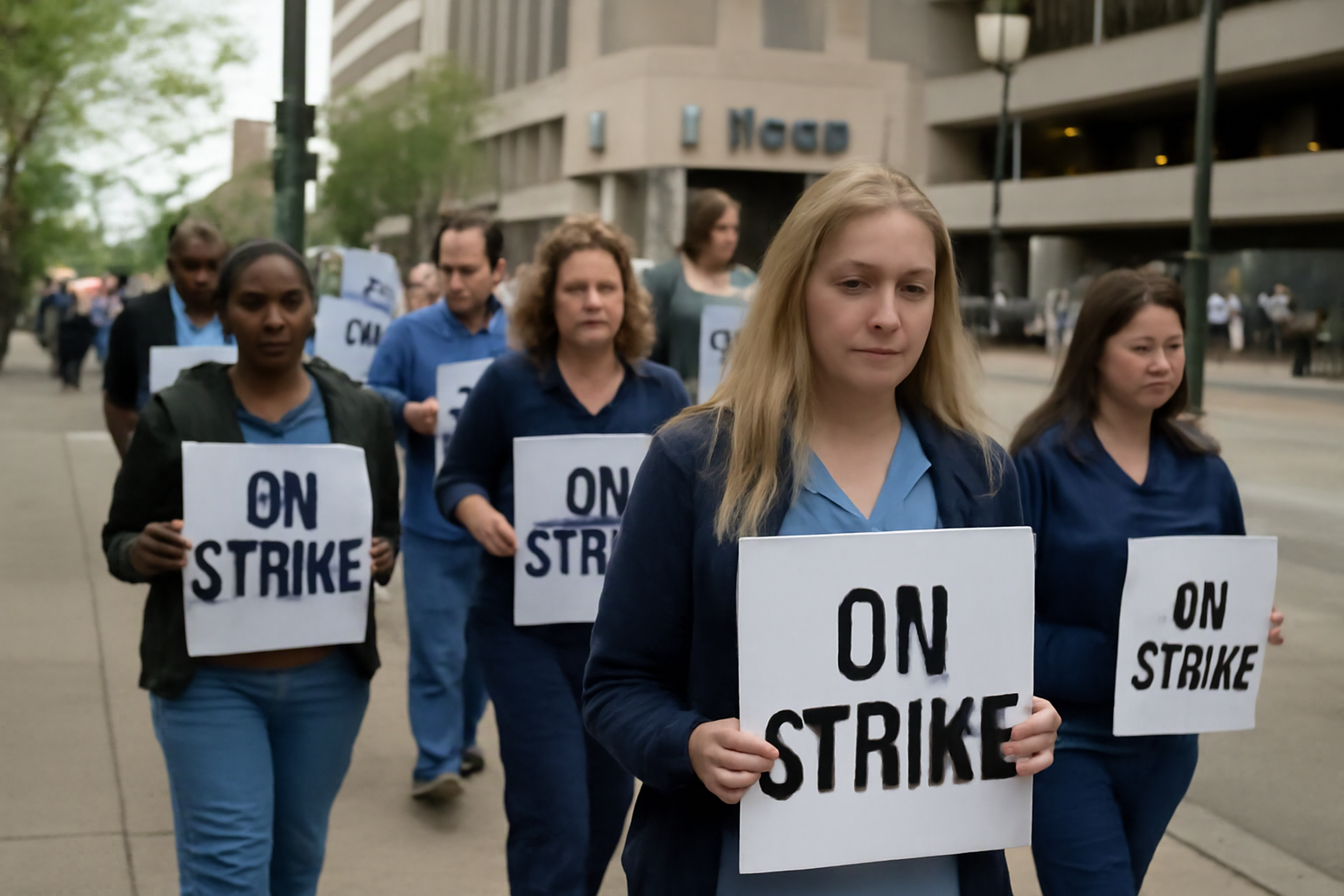
Chicago hospital files for bankruptcy days after closing maternity ward
By Nick Martinez
Advertisement · Why this ad?
Nick Martinez is a public health reporter who earned his Master’s in Public Health from the University of Chicago. Having previously worked with ProPublica, he focuses on health equity issues affecting the Chicago community.
More from Nick →
On a chilly November evening in Wisconsin, a family’s world was shattered by a tragedy that underscores the devastating toll of preventable diseases. An infant, whose name has not been released to protect the family’s privacy, succumbed to measles—a disease once thought to be nearly eradicated in the United States. This heartbreaking loss marks the first infant death from measles in Wisconsin since 1990, a stark reminder of the persistent threat posed by vaccine-preventable illnesses even decades after their decline.
According to Wisconsin health officials, the infant's death is directly linked to an ongoing measles outbreak in the southwestern region of the state. As of Tuesday, the Wisconsin Department of Health Services reported a total of 431 cases across 13 counties in 2026, the highest number in over 35 years. The outbreak’s surge has alarmed public health officials, especially as the virus continues to spread in communities with low vaccination rates.
Measles, a highly contagious viral disease, can cause severe complications, including pneumonia, encephalitis, and death. The Centers for Disease Control and Prevention (CDC) emphasizes that two doses of the MMR vaccine are about 97% effective at preventing measles. Yet, recent trends show a disturbing decline in vaccination rates, with some parents opting out of the vitamin K shots for newborns, further exposing infants to preventable risks. Wisconsin’s tragedy is a stark warning that complacency can have deadly consequences.
Health officials, community leaders, and families are mourning the loss while urging residents to take immediate action. Wisconsin DHS Secretary Kirsten Johnson expressed her sorrow: “It is with a heavy heart we are reporting the first death of an infant connected with a measles outbreak in Wisconsin in many years. My heart is broken for the family.” She emphasized that no child’s death should be taken lightly and stressed the importance of vaccination as a critical tool in preventing future tragedies.
Local parents, healthcare providers, and faith leaders are rallying together to combat misinformation and increase vaccination awareness. “We cannot afford to let fear or misinformation put our children at risk,” said Pastor James Carter of Faith Community Church in Green Bay. “Our faith teaches us to protect the vulnerable, especially our babies, through responsible action and community care.” Many families are now reconsidering their choices, recognizing that vaccines are a vital part of safeguarding their loved ones.
Public health officials are stepping up efforts to contain the outbreak and prevent further loss of life. Wisconsin’s Department of Health Services is urging all residents to get vaccinated, emphasizing that the MMR vaccine is safe and effective. Schools, clinics, and community centers are offering free vaccination clinics, especially targeting areas with low immunization rates. The goal is to reach herd immunity, which requires about 95% vaccination coverage, to protect those who cannot be vaccinated, including infants too young to receive the shot.
In addition to vaccination campaigns, authorities are increasing public education efforts to dispel myths and misinformation about vaccines. The tragedy in Wisconsin serves as a sobering reminder of the importance of community responsibility and faith in science. As families reflect on this loss, many are reaffirming their commitment to strong, healthy households built on love, faith, and responsible stewardship of their health. The hope is that this heartbreaking event will galvanize more Americans to prioritize prevention and protect the most vulnerable among us.
Looking ahead, health officials are optimistic that with increased vaccination efforts and community cooperation, the current outbreak can be contained. The focus remains on safeguarding children and ensuring that no more families endure the pain of losing a loved one to a preventable disease. As the nation watches Wisconsin’s response, it is a reminder that the American dream of thriving, healthy communities depends on our collective commitment to truth, science, and the well-being of every child.
Wisconsin, a state with a diverse population spread across urban centers and rural communities, has long faced challenges in maintaining high vaccination rates. Areas like Milwaukee, Green Bay, and Madison have seen fluctuating immunization coverage, often correlated with socioeconomic factors and access to healthcare. The southwestern region, where the outbreak is concentrated, includes communities with historically lower vaccination uptake due to a mix of cultural beliefs, misinformation, and healthcare access issues.
Many local residents recall the days when measles was a common childhood illness, now largely eradicated thanks to widespread vaccination programs. For families in these communities, the recent outbreak feels personal and urgent. Schools in affected counties are now under scrutiny, with some considering mandatory vaccination policies or temporary closures to prevent further spread. Community health clinics are overwhelmed, working tirelessly to offer vaccines and educate the public about the importance of immunization.
Local health officials have also highlighted the importance of culturally sensitive outreach. They are partnering with community leaders, faith organizations, and local influencers to combat vaccine hesitancy. For example, in Green Bay, the Native American community has been actively involved in vaccination campaigns, recognizing the disproportionate impact of infectious diseases on indigenous populations. These efforts aim to rebuild trust and ensure equitable access to vaccines for all residents.
Local doctors, nurses, and public health workers are on the front lines of this crisis. Dr. Emily Carter, a pediatric infectious disease specialist at Green Bay Medical Center, has been instrumental in leading vaccination drives. “We’re seeing a resurgence of preventable diseases, and it’s heartbreaking,” she says. “Our goal is to reach every child, especially those in underserved areas, before tragedy strikes again.”
Many healthcare providers have reported an increase in vaccine-related questions and hesitancy from parents, often fueled by misinformation circulating online. To combat this, clinics are hosting informational sessions, providing vaccine information statements, and engaging directly with families to address fears and misconceptions. The medical community remains committed to transparency, emphasizing that vaccines are among the safest and most effective tools we have to protect children.
The impact of this outbreak extends beyond health statistics—it touches every family, school, and community organization in Wisconsin. For many, it’s a wake-up call about the importance of vaccination as a community responsibility. The loss of this infant underscores that no one is immune, and that collective action is essential to prevent future tragedies.
Looking forward, local officials are planning sustained vaccination campaigns, including mobile clinics and door-to-door outreach, to reach hesitant populations. Schools and daycare centers are reviewing their vaccination policies, with some considering stricter requirements to protect students and staff. The state government is also exploring legislative measures to improve vaccination rates, such as funding for community health programs and public awareness initiatives.
Furthermore, the incident has ignited discussions about healthcare equity and access. Advocates are calling for increased funding for rural clinics, expanded Medicaid coverage, and culturally competent healthcare services to ensure that all residents can access lifesaving vaccines.
Finally, this tragedy has prompted a broader conversation about the importance of science-based public health policies. Community leaders emphasize that rebuilding trust in vaccines requires ongoing education, transparency, and engagement. As Wisconsin mourns and learns from this painful event, the hope is that it will serve as a catalyst for stronger, healthier communities built on informed choices and collective responsibility.
By Nick Martinez

By Nick Martinez
By Nick Martinez

By Nick Martinez